
Address : T1-22 GATEWAY , TAOYUAN STREET, NINGHAI, NINGBO, P.R.China
Tel: 0086 18817882806
E-mail: info@cjmed.com.cn
504798843@qq.com

Stainless Steel Custom Fabrication: Premium Solutions for Corrosion-Resistant Industrial Components
Stainless steel custom fabrication is a high-end segment of sheet metal processing, favored by global industrial manufacturers for its excellent corrosion resistance, high hardness, oxidation resistance, and easy cleaning characteristics. 304 and 316 stainless steel are the most commonly used raw materials in industrial customization, widely used in marine equipment, food machinery, medical equipment, chemical industry, and outdoor engineering structural parts. This article focuses on the processing characteristics, technical standards, and application advantages of stainless steel custom sheet metal parts.
Different from ordinary carbon steel and aluminum alloy sheet metal processing, stainless steel fabrication has higher technical thresholds. Stainless steel materials have high hardness and poor thermal conductivity, which puts forward higher requirements for laser cutting parameters and tool wear resistance. Professional manufacturers adopt high-power fiber laser cutting equipment to ensure smooth cutting sections without burrs, no oxidation discoloration, and meet high-precision assembly standards. In the bending process, customized bending molds and process parameters are used to avoid material rebound and cracking, ensuring the flatness and dimensional accuracy of stainless steel parts.
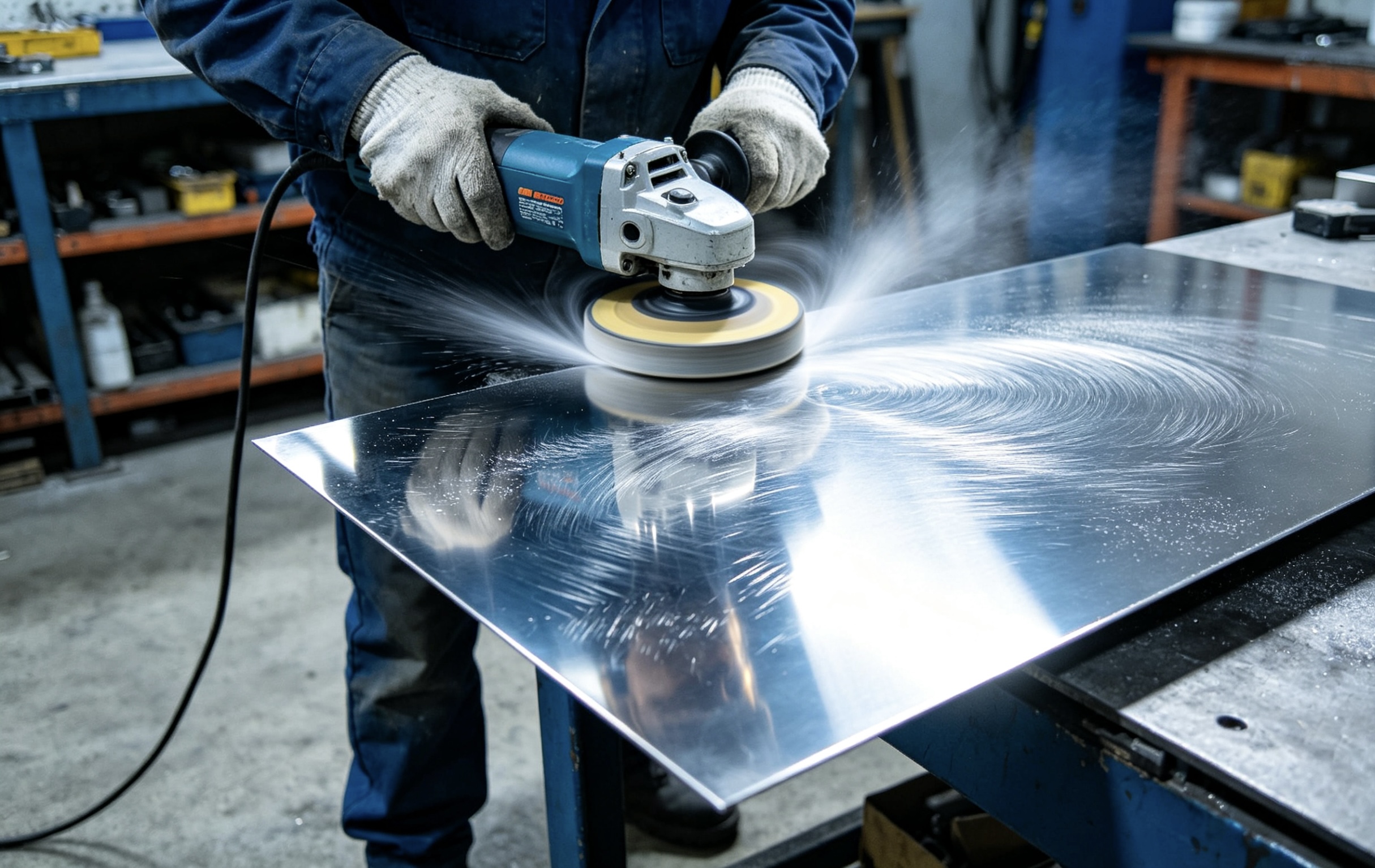
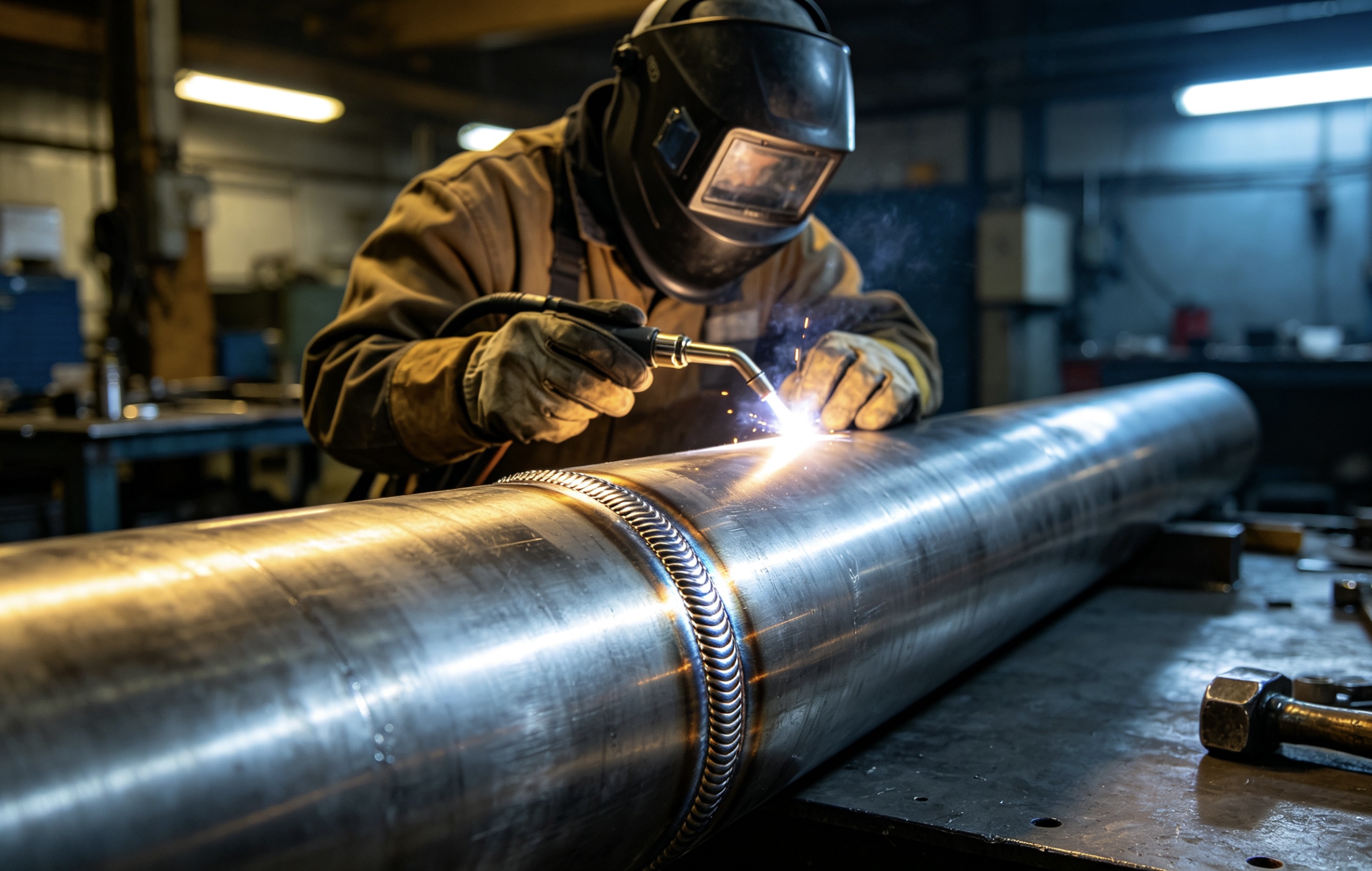
Welding technology is the core difficulty of stainless steel custom fabrication. For 304 stainless steel structural parts, TIG argon arc welding is adopted to effectively prevent welding oxidation and ensure firm welding seams without trachoma or deformation. For 316 marine-grade stainless steel parts, specialized anti-corrosion welding processes are applied to improve the salt spray resistance of welded joints, adapting to high-humidity and high-salt marine working environments. After welding, professional grinding, wire drawing, and mirror polishing treatments are carried out to eliminate welding traces, realizing integrated aesthetic and functional performance.
Surface treatment is a key process to enhance the service life of stainless steel sheet metal parts. Industrial conventional treatments include stainless steel passivation, electrolytic polishing, sandblasting, and anti-fingerprint coating. Passivation treatment can significantly improve the anti-rust and anti-corrosion performance of stainless steel, suitable for chemical and outdoor equipment. Anti-fingerprint coating treatment is widely used in food machinery and medical equipment shells, facilitating daily cleaning and maintenance.
Stainless steel custom sheet metal parts have irreplaceable advantages in high-standard industrial scenarios. They can maintain stable mechanical performance in high temperature, high humidity, and corrosive environments, with a service life 2-3 times longer than ordinary metal parts. Global industrial buyers increasingly prefer customized stainless steel sheet metal solutions for high-end equipment manufacturing to reduce maintenance costs and improve equipment stability.
Core SEO Keywords: stainless steel sheet metal fabrication, 304 316 stainless steel custom parts, corrosion-resistant metal fabrication