
Address : T1-22 GATEWAY , TAOYUAN STREET, NINGHAI, NINGBO, P.R.China
Tel: 0086 18817882806
E-mail: info@cjmed.com.cn
504798843@qq.com

The Complete Guide to Custom Sheet Metal Fabrication: Processes, Advantages and Industrial Applications
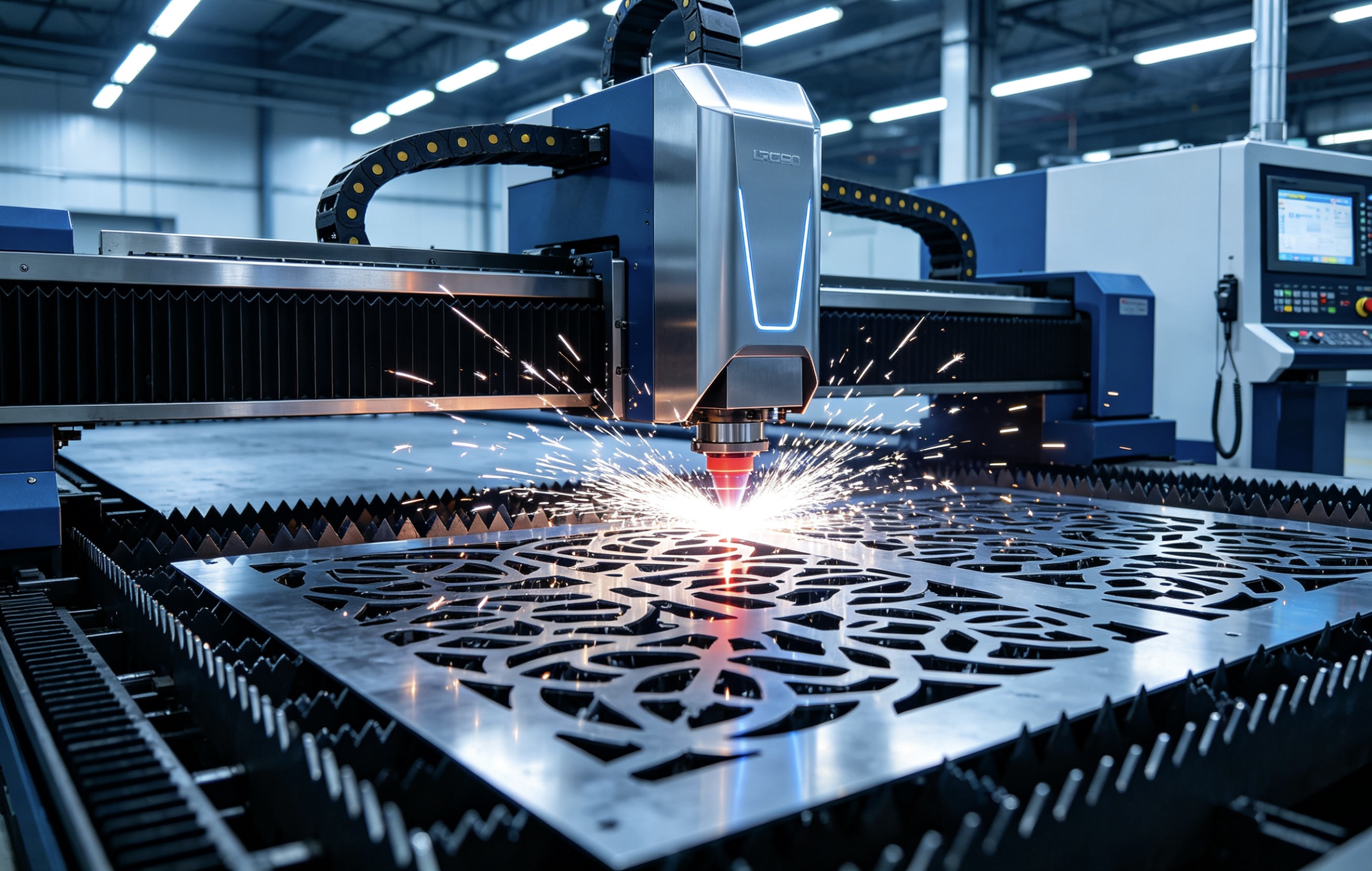
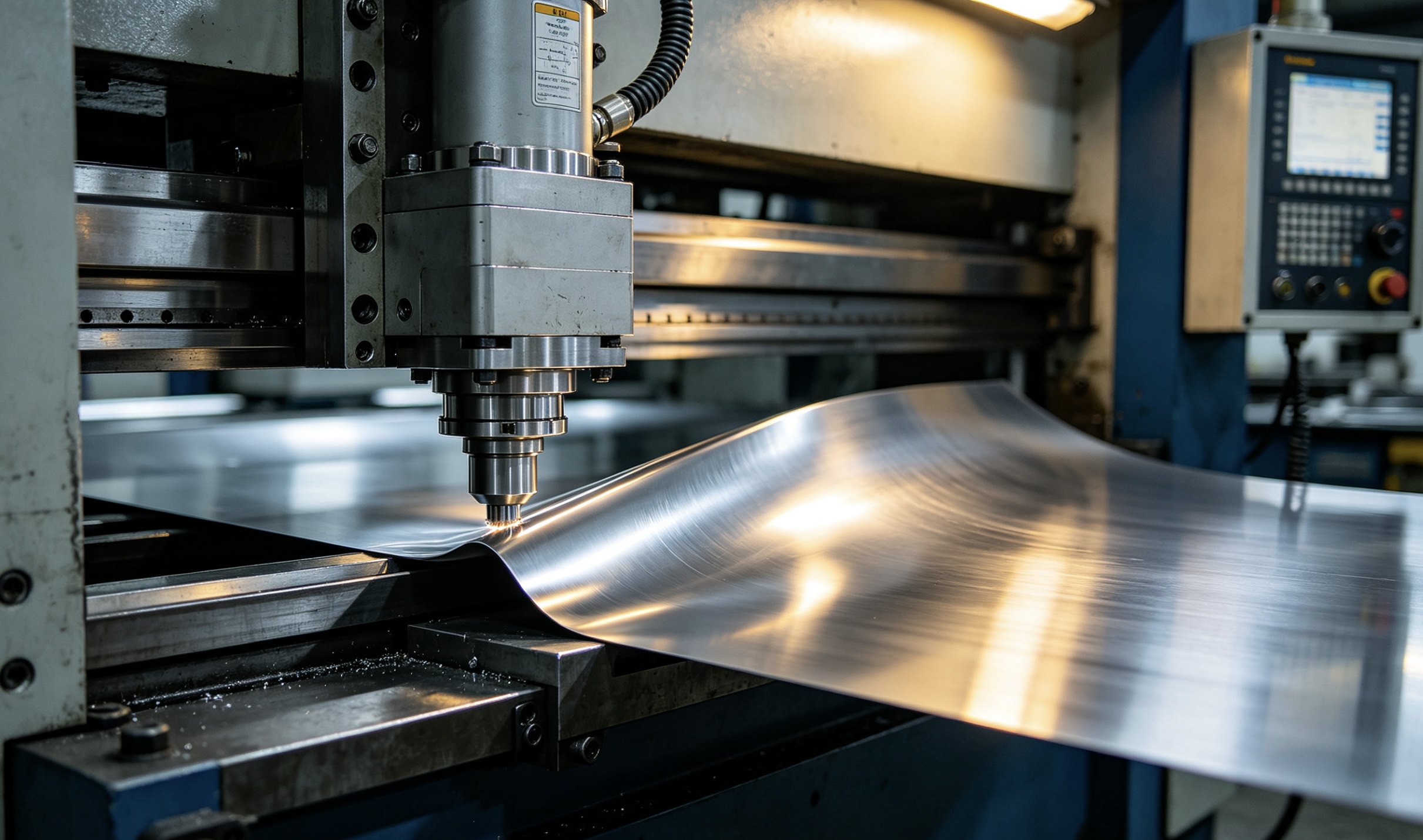
Custom sheet metal fabrication is a core manufacturing process that transforms flat metal sheets into customized structural components, enclosures, and functional parts for diverse industrial sectors. As a flexible, cost-effective, and high-precision manufacturing solution, it has become indispensable for industrial equipment, automotive, electronics, and mechanical engineering industries worldwide. This article elaborates on the mainstream processes, unique advantages, and typical application scenarios of custom sheet metal fabrication, helping global buyers understand professional manufacturing standards.
The mainstream production processes of custom sheet metal fabrication include laser cutting, CNC bending, stamping, welding, surface finishing, and precision assembly. Laser cutting serves as the primary blanking process, delivering high-precision cutting with tolerances controlled within ±0.05mm, suitable for complex hole positions, special-shaped outlines, and batch blanking of stainless steel, aluminum alloy, and carbon steel sheets. CNC bending adopts automated bending equipment to realize multi-angle and three-dimensional forming of metal sheets, ensuring consistent bending accuracy and batch product uniformity. Follow-up processes such as TIG/MIG welding, riveting, and tapping complete the structural assembly of parts, while surface treatments including powder coating, galvanizing, polishing, and brushed finish enhance corrosion resistance, wear resistance, and aesthetic performance.
Compared with traditional integral casting and die stamping, custom sheet metal fabrication has prominent industrial advantages. First, it supports low-volume prototype customization and mass production simultaneously, eliminating high mold opening costs and shortening product development cycles, which is ideal for small-batch personalized orders and new product trial production. Second, it features high material utilization and low processing waste, effectively reducing production costs for metal parts. Third, the whole-process customizable design covers size, structure, hole position, surface technology, and assembly mode, meeting the personalized structural needs of different industrial equipment.
At present, custom sheet metal fabrication is widely applied in multiple high-demand fields. Industrial equipment structural parts, electrical control enclosures, and mechanical brackets rely on its high structural stability and customization flexibility. In the automotive industry, lightweight sheet metal structural parts and accessory shells are manufactured through precision sheet metal processing. The electronics and communication industry uses stainless steel sheet metal enclosures for equipment protection and electromagnetic shielding. With the upgrading of industrial manufacturing, high-precision, anti-corrosion, and lightweight custom sheet metal parts will gain broader market demand in global industrial supply chains.
Core SEO Keywords: custom sheet metal fabrication, sheet metal processing services, precision metal fabrication, industrial sheet metal parts